
Paver Patio Heaving and Lifting After a Minnesota Winter? Why Frost Does It
Quick Answer: Pavers heave and lift after a Minnesota winter because of frost heave: water in the soil under the patio freezes, expands, and pushes the pavers up, then drops them unevenly when it thaws. The fix isn't resetting the pavers, it's addressing what lets water freeze under them, a base that drains, enough depth for our deep frost, and good drainage. A properly built base over well-draining material is what keeps a patio flat through the freeze-thaw cycles.
You walk out in spring to find your once-flat paver patio looking like a small mountain range, sections lifted, pavers tilted, edges popped up, and joints knocked out of line. It was fine in the fall, and the Minnesota winter left it heaved and uneven. It is one of the most common cold-climate hardscape problems, and it is frustrating because the pavers themselves are not damaged, they have just been shoved around.
What you are seeing is frost heave, and it is a powerful force that flat-patio builders here have to design around. Water, freezing, and our deep frost combine to lift whatever is above them, and a patio built without that in mind will move every winter. Understanding how frost heave works explains why your patio lifted and what it actually takes to build or rebuild one that stays put through a Minnesota freeze-thaw season. Here is what is happening under your pavers.
What Frost Heave Actually Is
Frost heave is the movement caused by water freezing in the ground, and it is stronger than most people realize.
Here is the mechanism. Soil holds water. When the temperature drops below freezing and the frost line works its way down into the ground, the water in the soil freezes. Water expands as it freezes, and in soils that hold a lot of water, it forms ice and draws in even more water that freezes too, building up and pushing upward with tremendous force. Anything sitting on top of that soil, including your patio, gets lifted. When the ground thaws in spring, the ice melts, the soil settles, and everything drops back down, but rarely evenly. The result is a patio that has been heaved up and set back down crooked.
In Minnesota, this is not a minor effect. Our frost goes deep, several feet down in a hard winter, and the freeze-thaw cycles are repeated and strong. So a patio here faces frost heave that can move it significantly, season after season. That is why frost heave is the number-one reason local paver patios lift, tilt, and go uneven over the winter.
Why Some Patios Heave and Others Don't
Frost heave needs three things to lift a patio: water in the soil, freezing temperatures, and frost-susceptible soil. You cannot change the Minnesota cold, but the water and the soil under the patio are exactly what a proper build controls, which is why some patios heave badly and others stay flat.
A base that traps water
If the patio was built on soil or a base that holds water, or directly on frost-susceptible clay-rich or silty soil, there is plenty of water down there to freeze and heave. A base built from well-draining material, by contrast, lets water move down and away instead of sitting to freeze under the pavers.
Not enough base depth for our frost
A thin base does not buffer the pavers from the freezing soil below. Cold-climate patios need an adequate depth of compacted, free-draining aggregate base precisely because our frost is deep, the base depth is part of how the patio resists heave.
Poor drainage
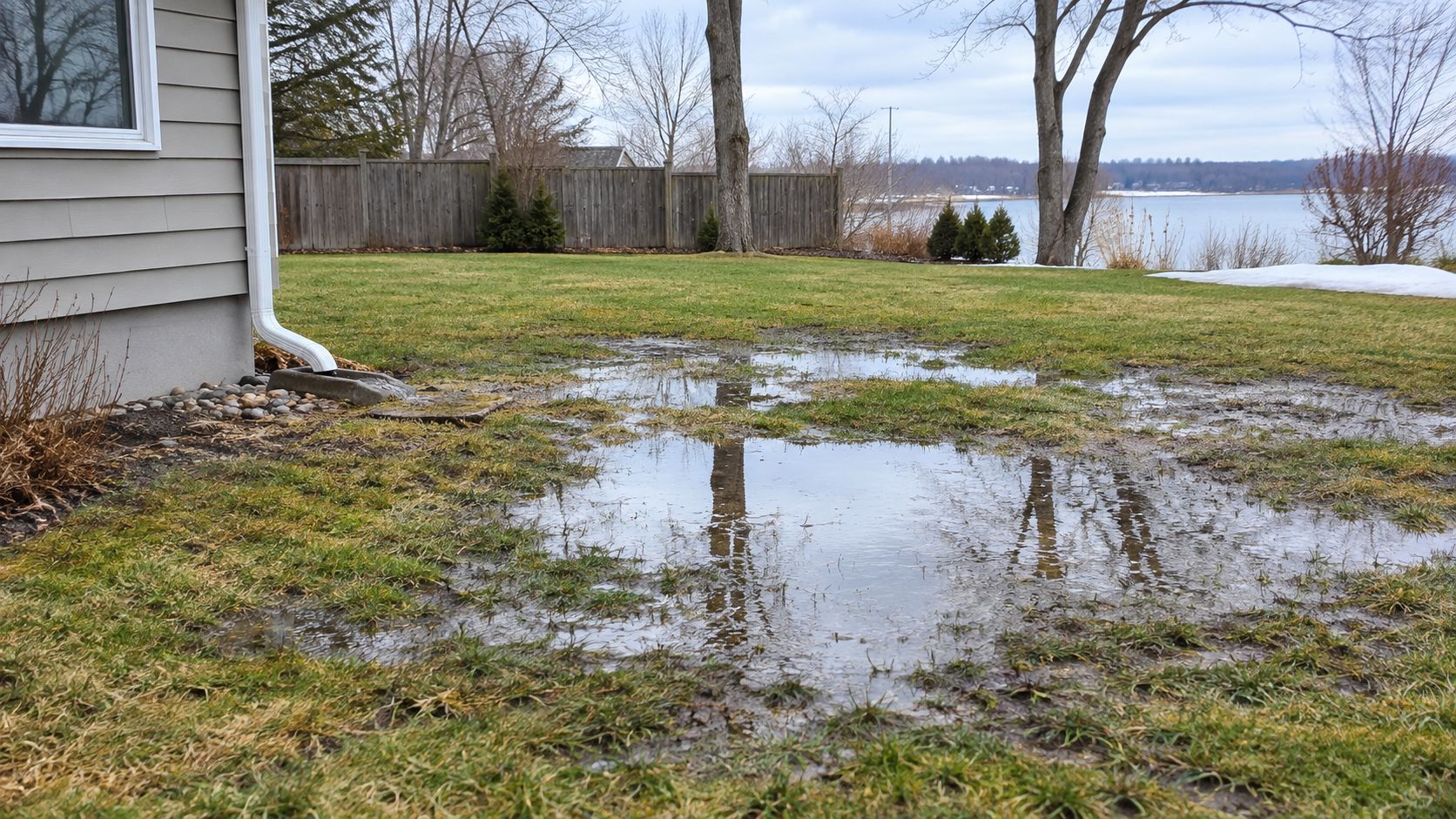
Water that cannot drain away from and out from under the patio is water available to freeze. Patios without good drainage stay wetter underneath, which feeds the heave.
A base that was never properly compacted
A base that was not compacted in layers settles and holds water unevenly, giving frost more to work with.
The throughline is water. Frost heave is fundamentally about water freezing under the patio, so the patios that stay flat are the ones built to keep water from collecting and freezing there, and the ones that heave are the ones that let it.
Why Resetting the Pavers Won't Fix It
When a patio heaves, the tempting fix is to lift the popped-up pavers and reset them level. By spring that feels like the whole job. It is not, and it helps to see why.
The pavers heaved because of what is underneath them, the water and frost-susceptible conditions in the base and soil. Resetting the pavers on top does nothing about that. The base still holds water, the frost still goes deep, and next winter the same forces lift the patio again. You will be releveling pavers every spring, because you treated the symptom, the crooked pavers, and left the cause, the heaving base, untouched.
A lasting fix has to address the base and the water: rebuilding with the right depth of free-draining aggregate, compacted properly, with drainage that keeps water from collecting under the patio. That is more than a reset, but it is the difference between a patio that stays flat for years and one that becomes a yearly spring chore.
Tip: After the thaw, look at how your patio heaved. If it lifts in the same spots every year, or sits lowest where water collects, like below a downspout or at the bottom of a slope, that points to water pooling and freezing under those areas. Noting where the water goes and where the heave is worst tells a builder whether the fix is mostly about drainage, base depth, or both, before any pavers come up.
How a Frost-Resistant Patio Is Built
Because frost heave is a water-and-base problem, building or rebuilding a patio that holds up through Minnesota winters is about controlling water under the pavers and giving them a proper base.
Excavate to the right depth
A cold-climate patio starts with digging out enough depth for an adequate base, more than a mild-climate patio would need, because the base depth is part of resisting our deep frost.
Build a free-draining, compacted base
The base is built from well-draining crushed aggregate, compacted in layers until it is solid. Free-draining material means water moves down and away rather than sitting to freeze, and proper compaction keeps the base stable.
Manage the water and drainage
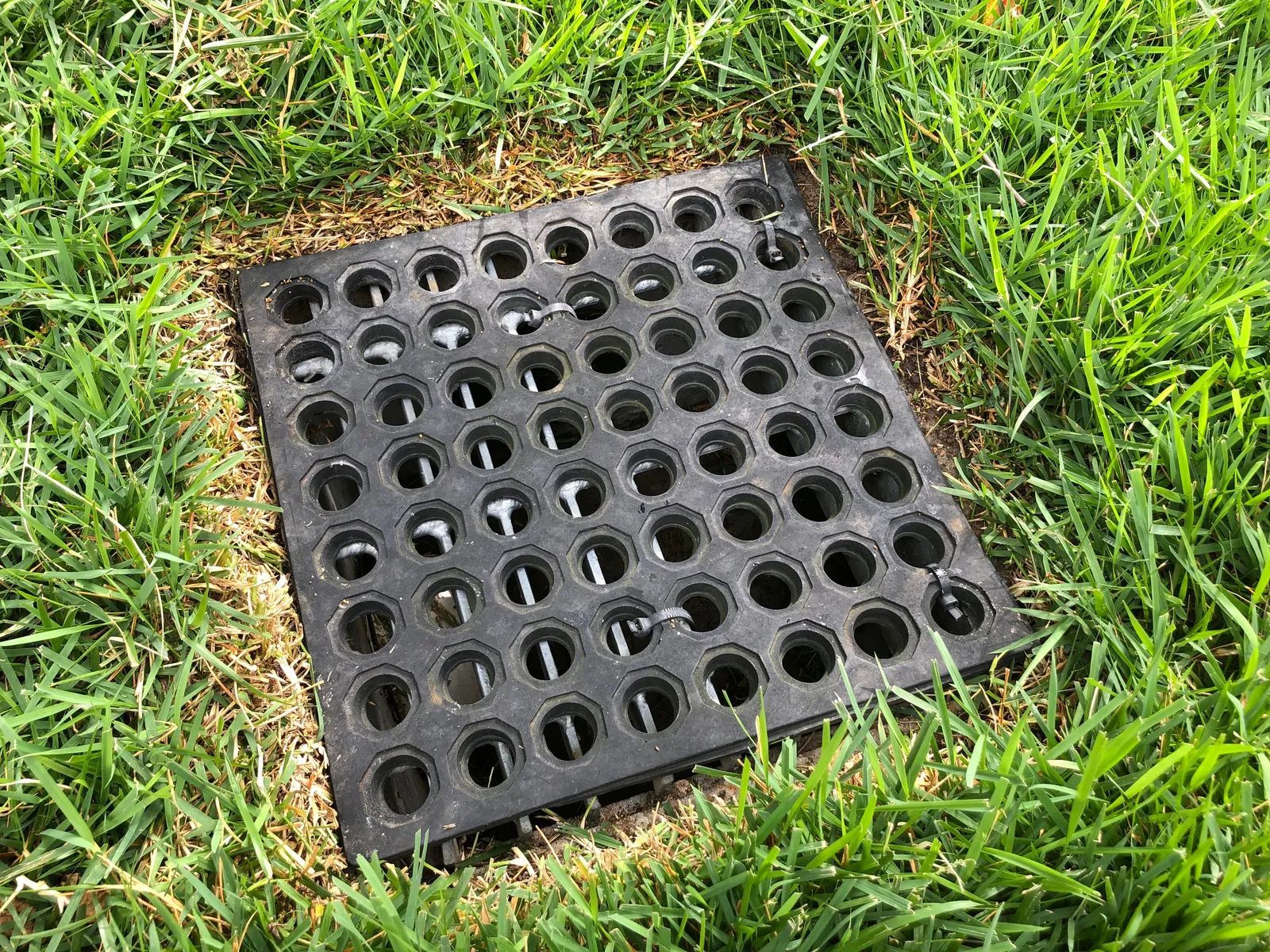
Building in proper slope and drainage so water sheds off the surface and does not collect under the patio removes the water that frost needs to heave it. On frost-susceptible soils, using the right base material to separate the pavers from the water-holding soil below matters.
Compact, screed, and set properly
A correctly screeded bedding layer, level pavers, tight joints, and solid edge restraints finish a patio that is built as a stable system rather than just laid on the ground.
Done this way, the patio resists frost heave because the conditions frost needs, trapped water under the pavers, have been engineered out. It is the difference between a patio built for the climate and one that simply was not.
Warning: Be cautious about building or rebuilding a patio on a thin base or directly on frost-susceptible soil to save time or material, and about ignoring drainage. In our climate, shortcutting the base depth and the drainage is what guarantees frost heave, and a patio that heaves can also push against and damage adjacent structures, steps, or a foundation it abuts. The base and drainage are not where to cut corners on a Minnesota patio.
Frequently Asked Questions
Why did my paver patio heave over the winter?
Frost heave. Water in the soil under the patio froze and expanded, pushing the pavers up, then settled unevenly when it thawed. Minnesota's deep frost and repeated freeze-thaw cycles make this a strong, recurring force, and it's the most common reason local patios lift and go uneven over winter.
Can I just reset the pavers that popped up?
You can, but they'll heave again. The pavers moved because of water and frost conditions in the base beneath them, and resetting the surface doesn't change that. Without rebuilding the base to drain and adding proper drainage, you'll be releveling pavers every spring.
Why does my patio heave but my neighbor's doesn't?
Frost heave needs water and frost-susceptible conditions under the pavers. A patio built on a deep, free-draining, compacted base with good drainage keeps water from collecting and freezing there, so it stays flat. One built on a thin base, wet soil, or poor drainage gives frost what it needs to lift it.
What makes a patio frost-resistant in Minnesota?
Depth and drainage. An adequate depth of well-draining, compacted aggregate base buffers the pavers from the deep frost, and proper slope and drainage keep water from pooling under the patio. Together they remove the trapped water frost needs to heave, which is what keeps the patio level through freeze-thaw.
Does drainage really matter that much for frost heave?
Yes. Frost heave is fundamentally about water freezing under the patio, so keeping water from collecting there is central. Drainage that sheds surface water and keeps the base dry removes much of the water available to freeze and lift the pavers.
Is a heaved patio ruined, or can the pavers be reused?
The pavers themselves are usually fine and can typically be reused. The problem is the base and water conditions beneath them. Rebuilding with a proper free-draining base and drainage, and relaying the existing pavers, is the usual lasting fix.
Does the type of pavers matter for frost heave?
Not much. Frost heave acts on whatever sits above the base, so the pavers themselves rarely determine whether a patio heaves. What matters is the base and drainage underneath, an adequate depth of free-draining, compacted aggregate with water managed away. Get that right and most pavers stay put; get it wrong and even premium pavers heave.
A Patio That Survives the Freeze-Thaw
A paver patio that heaves and lifts after a Minnesota winter is not failing because of the pavers, it is being pushed around by frost heave, the powerful lift of water freezing in the ground beneath it. Reset the pavers and the same forces move them again next spring. The patios that stay flat here are the ones built for the climate: dug deep enough, built on a free-draining compacted base, and drained so water cannot collect and freeze under them. Build it for the frost, and the spring surprise of a heaved patio becomes a thing of the past.
Build a patio that stays flat through Minnesota winters — A heaving patio isn't a paver problem, it's frost lifting water that's trapped under a base that wasn't built for our deep freeze, and resetting the pavers just restarts the cycle. With 28 years of experience, Metro Pro Inc provides
paver patio installation for homeowners throughout Orono, MN, rebuilding patios on a proper free-draining, compacted base with effective drainage so frost has nothing to lift. Reach out for a patio assessment and stop releveling pavers every spring.