
Pavers vs. Concrete in Areas With Heavy Rainfall — Which Lasts Longer and Why
Heavy rainfall poses unique challenges for outdoor surfaces, especially driveways, patios, walkways, and other hardscaped areas that endure constant foot or vehicle traffic. When the ground becomes saturated, materials must withstand moisture intrusion, shifting soil, rapid runoff, and frequent cycles of wet and dry conditions. As homeowners and property managers look for cost-effective, long-lasting solutions, the debate between pavers and concrete becomes more relevant than ever. Each material responds differently to water exposure, drainage stress, and environmental changes, making the comparison essential for areas that experience persistent or seasonal heavy rain.
In regions where storms are frequent, choosing the appropriate surface material can determine whether an installation lasts decades or begins deteriorating within a few years. The long-term performance, maintenance demands, and structural durability of pavers versus poured concrete depend heavily on how effectively each material manages water. This blog explores these differences in depth, breaking down how each option performs under heavy rainfall and why one consistently holds an advantage in wet climates. Whether you’re planning a new project or considering a replacement for an aging surface, understanding these factors will help you make a well-informed decision that maximizes longevity and investment value.
Understanding the Impact of Heavy Rainfall on Hardscape Materials
How Water Affects Outdoor Surfaces
Heavy rainfall places significant stress on outdoor hardscapes. When water accumulates, it infiltrates joints, seeps into sub-bases, and adds weight and pressure to the underlying soil. Materials that cannot manage this influx may crack, heave, or erode over time. Concrete absorbs water slowly but becomes vulnerable when moisture pools on its surface or penetrates through hairline cracks. Pavers, by contrast, offer permeability through joints, which allows better surface drainage.
Why Soil Saturation Matters
Waterlogged soil loses its load-bearing capacity, causing surfaces to shift or sink. This is especially problematic for monolithic surfaces like concrete slabs, which rely on uniform soil support. Any uneven sinking results in cracking. Pavers, installed over a flexible base system, adapt better to soil movement. Their segmented structure means shifts are distributed rather than concentrated, reducing long-term damage.
Freeze–Thaw Concerns in Rain-Prone Regions
In colder climates, heavy rainfall followed by freezing temperatures intensifies surface deterioration. Water expands when frozen, which accelerates cracking in rigid materials. Pavers allow expansion within their joint system, making them more resilient in freeze-thaw cycles compared to concrete slabs.
Pavers in Heavy Rainfall — Performance, Benefits, and Challenges
Permeability and Water Management
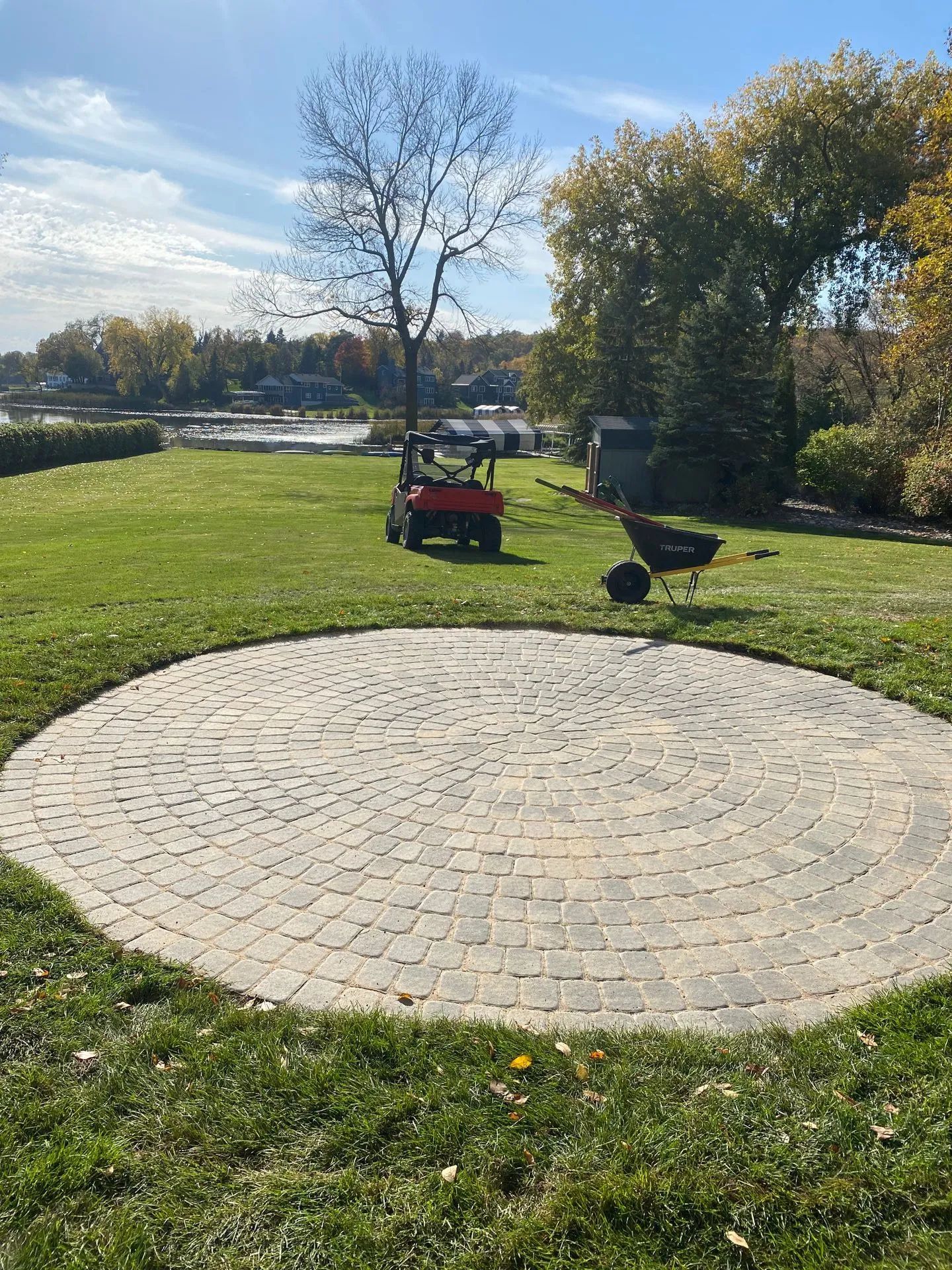
One of the strongest advantages of pavers in heavy-rainfall regions is their permeability. The sand-filled joints between each unit enable water to flow down and disperse naturally. This prevents pooling, reduces runoff, and minimizes hydrostatic pressure. Permeable paver systems can reduce stormwater issues significantly, making them a preferred choice in both residential and commercial applications.
Durability and Load Distribution
Pavers are installed as interlocking units, giving them the ability to distribute weight evenly across the surface. Under heavy rainfall, when soil may soften or settle, this flexibility protects the surface integrity. Individual pavers can move microscopically without causing cracks. This segmented system is specifically advantageous for driveways, patios, pool decks, and walkways in high-moisture climates.
Ease of Repair in Wet Climates
In constant-rain environments, maintenance becomes a long-term concern. Pavers offer a distinct advantage because individual units can be lifted and reset without disturbing the surrounding hardscape. If soil settlement occurs, repairs remain localized and inexpensive. Comparatively, repairing rain-damaged concrete often requires replacing entire sections.
Potential Challenges of Pavers in Rain
While pavers perform exceptionally well in wet regions, they require proper installation to avoid issues such as joint erosion or base washout. Poor drainage planning can lead to water saturation beneath the system, causing shifting or uneven areas. High-quality edge restraints, a well-compacted base, and polymeric sand help prevent these problems and ensure long-term performance.
Concrete in Heavy Rainfall — Strengths, Risks, and Limitations
Initial Strength and Structural Rigidity
Concrete is known for its compressive strength and uniform appearance, making it a popular choice for large slabs. When properly installed and cured, it offers a smooth, stable surface that performs well under dry conditions. However, this rigidity becomes a weakness in heavy rainfall, where moisture, shifting soil, and drainage demands place stress on the slab.
Vulnerability to Cracking and Erosion
When exposed to heavy water flow or standing water, concrete becomes susceptible to erosion. Hairline cracks may appear as water enters and expands within the material. Over time, these cracks widen, leading to structural deterioration. Rainwater infiltration at slab edges is another common failure point that results in crumbling or spalling.
Drainage Challenges
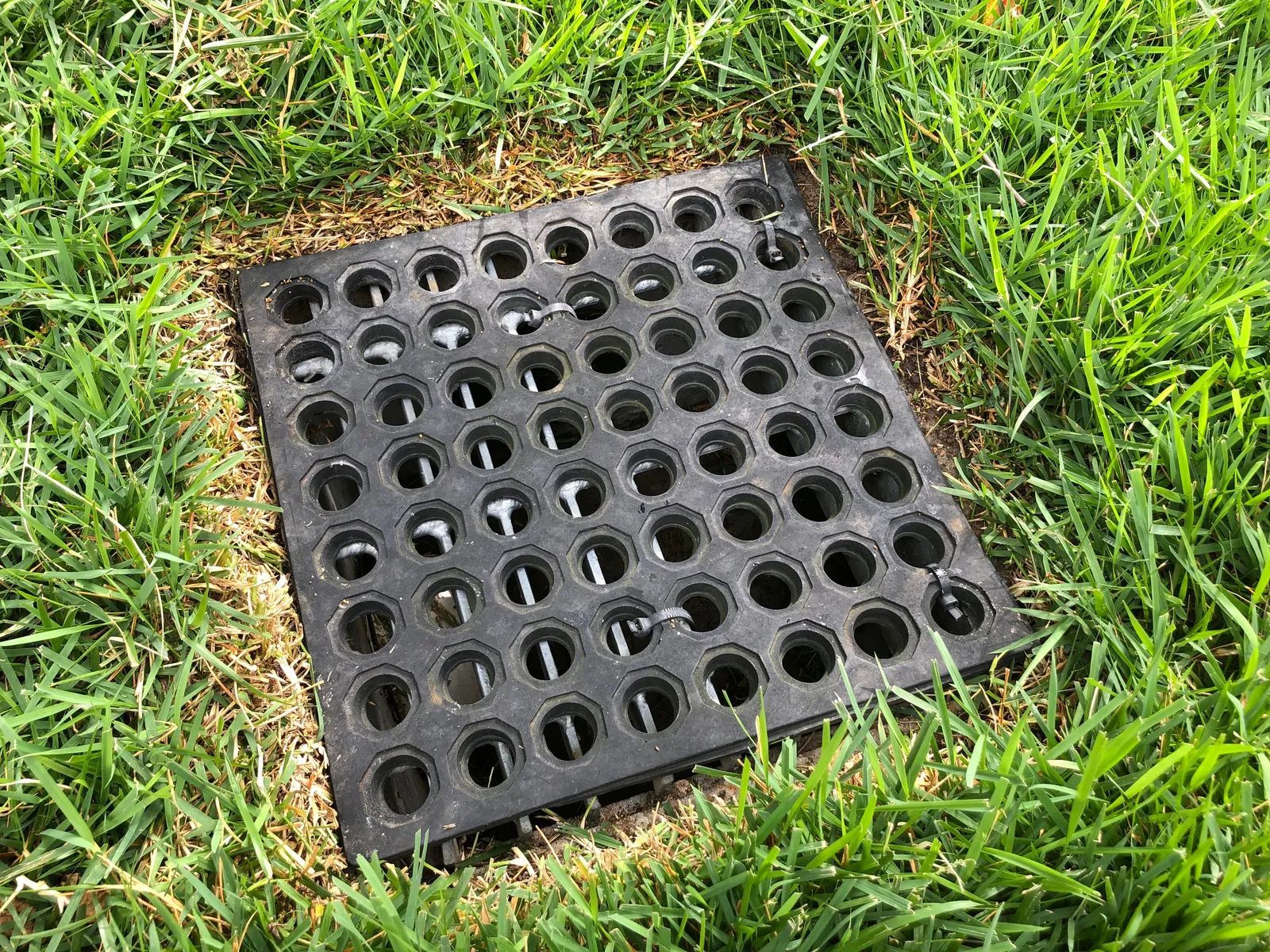
Concrete slabs are impermeable, meaning every drop of rain must be guided away through proper grading or drainage systems. If the surface isn’t designed with the correct slope or if drains become blocked, water begins pooling. This increases pressure on the slab, accelerates cracking, and weakens the base layer.
Maintenance and Repair Requirements
When concrete suffers damage from heavy rainfall, repairs are more complex and costly. Crack filling, resurfacing, and slab replacement may be required, depending on the extent of deterioration. Unlike pavers, which allow modular fixes, concrete repairs typically leave visible patches or require complete removal for aesthetic consistency.
Drainage, Installation Method, and Long-Term Performance Comparison
Base Preparation Differences
Pavers rely on a compacted aggregate base that provides both stability and permeability. This layered system allows moisture to filter through without compromising support. Heavy rainfall actually enhances the system when properly constructed, as water exits quickly and efficiently.
Concrete slabs require a stable, compacted subgrade, but the surface remains impermeable. Any miscalculation in slope or drainage results in water pooling. Because water cannot penetrate the slab, it settles where gravity allows, which may not always be ideal.
Handling Soil Expansion and Contraction
In wet climates, soil expands when saturated and contracts as it dries. Pavers accommodate this movement naturally because each unit acts independently. Concrete, however, reacts poorly; expansion can lead to uplift and contraction can create voids beneath the slab, eventually resulting in cracks.
Surface Lifespan Under Heavy Rainfall
Well-installed pavers often outperform concrete in regions with frequent rain. Their flexible, permeable structure allows superior long-term durability. Concrete can still last many years with proper drainage and maintenance, but its life expectancy shortens significantly in areas where water exposure is constant.
Cost Efficiency Over Time
While concrete may have a lower initial installation cost, paver systems often prove more cost-effective in the long run. Reduced repair frequency, easier maintenance, and superior longevity contribute to a lower lifetime cost. Homeowners in wet climates frequently find pavers to be a better long-term investment.
Real-World Scenarios in Heavy Rainfall Conditions
Driveways in Rainy Regions
Driveways experience heavy vehicles, water runoff, and soil movement. Concrete driveways often show visible cracking and puddling after years of exposure. In contrast, paver driveways maintain stability, as their interlocking design prevents large-scale cracking. If wear occurs, individual pavers can be replaced.
Patios and Outdoor Living Areas
Rain-heavy climates demand surfaces that stay safe and functional. Concrete patios can become slippery or develop drainage issues, resulting in waterlogged areas. Pavers offer better traction and allow moisture to disperse quickly, enhancing safety and usability.
Walkways, Pathways, and Garden Edges
Walkways need durability and drainage efficiency. Pavers perform exceptionally here because the joints naturally channel water away. Concrete walkways, particularly long continuous slabs, struggle with soil movement and often crack at the midpoint or edges.
Steep or Challenging Terrains
In hilly or sloped regions that experience large volumes of rain, pavers offer far superior adaptability. Their modularity allows installers to fit the system to complex terrain. Concrete slabs poured on slopes frequently suffer from water erosion and downhill shifting.
Best Practices for Maximizing Longevity in Rain-Prone Areas
Proper Grading and Drainage Planning
Regardless of the chosen material, controlling water movement is crucial. Pavers require well-graded bases and appropriate drainage channels. Concrete slabs must be poured with exact slopes to ensure water flows away from structures and traffic areas.
High-Quality Installation Materials
Polymeric sand, strong edge restraints, and geotextile fabrics help maximize paver stability. For concrete, using air-entrained mixes and applying high-quality sealers can slow water intrusion and surface erosion.
Routine Maintenance in Heavy-Rainfall Climates
Pavers benefit from occasional joint sand replenishment and surface sealing, while concrete requires crack filling, sealing, and resurfacing as needed. Proactive maintenance extends lifespan and prevents small issues from escalating.
Choosing the Right Material for the Environment
Ultimately, material choice should reflect climate conditions, intended use, and long-term budget. In regions with consistently heavy rainfall, pavers clearly offer better flexibility, drainage efficiency, and ease of repair. Concrete may still be appropriate in controlled environments, but it requires diligent upkeep.
Strengthening Your Property With Better Surface Decisions
For homeowners and businesses seeking dependable hardscape solutions, Metro Pro Inc. brings expertise, craftsmanship, and industry knowledge to every project. Based in Orono, MN, the company has built its reputation over 28
years by delivering
high-quality paving and concrete installations
designed to withstand even the harshest weather conditions. Their team understands the challenges heavy rainfall poses and works closely with clients to choose materials and designs that provide long-term durability. Whether you’re looking to install a new driveway, upgrade a patio, or replace an aging concrete surface, we offer tailored solutions backed by decades of experience. Their commitment to precise installation, proper drainage planning, and premium materials ensures every project stands the test of time. With a proven history of excellence and customer satisfaction, the company remains a trusted choice for property owners who value reliability, longevity, and professional craftsmanship in their outdoor surfaces.