
Designing for Shade and Seasons: How to Create a Yard That Looks Good All Year Round
A well-designed yard is more than a collection of plants, pathways, and outdoor features; it is a living system that evolves with the seasons. For many homeowners, the challenge lies in creating an outdoor space that maintains its visual appeal throughout the year, regardless of changing temperatures, fluctuating light levels, or varying moisture conditions. Designing for shade and seasonal shifts requires a thoughtful balance of horticultural knowledge, structural planning, and long-term vision. As climate patterns become increasingly unpredictable, landscapes that can withstand these transitions are more important than ever.
Today’s landscaping strategies emphasize resilience, adaptability, and multi-season performance. Homeowners and landscape professionals are placing greater focus on shade-tolerant plant varieties, layered planting methods, and outdoor elements that perform aesthetically across all four seasons. Whether a yard is partially shaded, fully shaded, or receives mixed sunlight throughout the day, the goal remains the same: create a cohesive landscape that looks intentional, structured, and inviting in every month of the year. This blog explores how thoughtful design choices—ranging from plant selection to material usage—can transform any outdoor space into a thriving, year-round landscape. Through practical examples and expert insights, we will uncover the techniques that support long-lasting beauty and functionality in shaded or seasonally changing yards.
Understanding Light Patterns and Seasonal Influence
Assessing Shade Levels
Before designing a landscape that remains attractive year-round, it is essential to analyze sunlight exposure. Shade is not a uniform condition; it ranges from dappled light to deep shade. Morning shade may allow cooler-growing plants to thrive, while afternoon shade offers relief for species sensitive to heat stress. Mapping sunlight patterns across the yard ensures the right plant choices and reduces long-term maintenance issues.
Evaluating Seasonal Shifts
Each season introduces new challenges. Winter may shorten daylight hours significantly, while summer may deliver high-intensity sun even to partially shaded areas. Spring and fall bring fluctuating temperatures and transitional light conditions. By observing how seasonal changes affect moisture, soil temperature, and shade levels, homeowners can choose features that remain resilient. This informed approach prevents plant decline and promotes consistent landscape structure.
Using Light to Shape the Yard
Strategic design places sun-loving plants on the perimeter of shaded areas and positions shade-tolerant varieties closer to dense tree cover. Landscapes benefit from considering how the sun moves across the yard over the course of the year. Thoughtful placement ensures that plants receive optimal light without overcrowding or competition.
Selecting Plants for Year-Round Visual Impact
Layered Planting for Seasonal Continuity
A multi-layered planting strategy helps maintain interest throughout the seasons. Combining groundcovers, mid-height shrubs, and tall structural plants provides depth and texture. For shaded areas, evergreen shrubs can serve as foundational structure, while hostas, ferns, and astilbes add variation in color and form. In fall, the same space may benefit from shade-tolerant ornamental grasses that hold their shape through winter.
Choosing Shade-Tolerant Varieties
Plants that perform well in low light are invaluable for shaded yards. Common examples include hydrangeas, heucheras, bleeding hearts, hellebores, and Japanese forest grass. These species maintain vibrant foliage and consistent growth even with minimal sunlight. In deeper shade, evergreen groundcovers such as pachysandra or vinca minor ensure dependable greenery year-round.
Incorporating Seasonal Color
Color is a key component of landscape appeal. Spring-flowering bulbs like daffodils and tulips can be planted beneath deciduous trees, taking advantage of early-season sunlight before foliage emerges. Summer can bring shade-tolerant blooms such as impatiens and begonias. Fall interest may come from foliage-rich perennials like coral bells or fall-blooming anemones. Winter landscapes benefit from berries, evergreen needles, and plants with interesting bark texture.
Ensuring Plants Thrive Long Term
Healthy growth requires more than proper lighting; soil quality and drainage heavily influence plant success. Amending soil with organic matter improves water retention in dry shade and enhances aeration in dense clay soils. Applying mulch reduces moisture loss and temperature fluctuations, helping maintain consistent growing conditions.
Designing Structural Elements That Perform Through All Seasons
Hardscapes for Year-Round Functionality
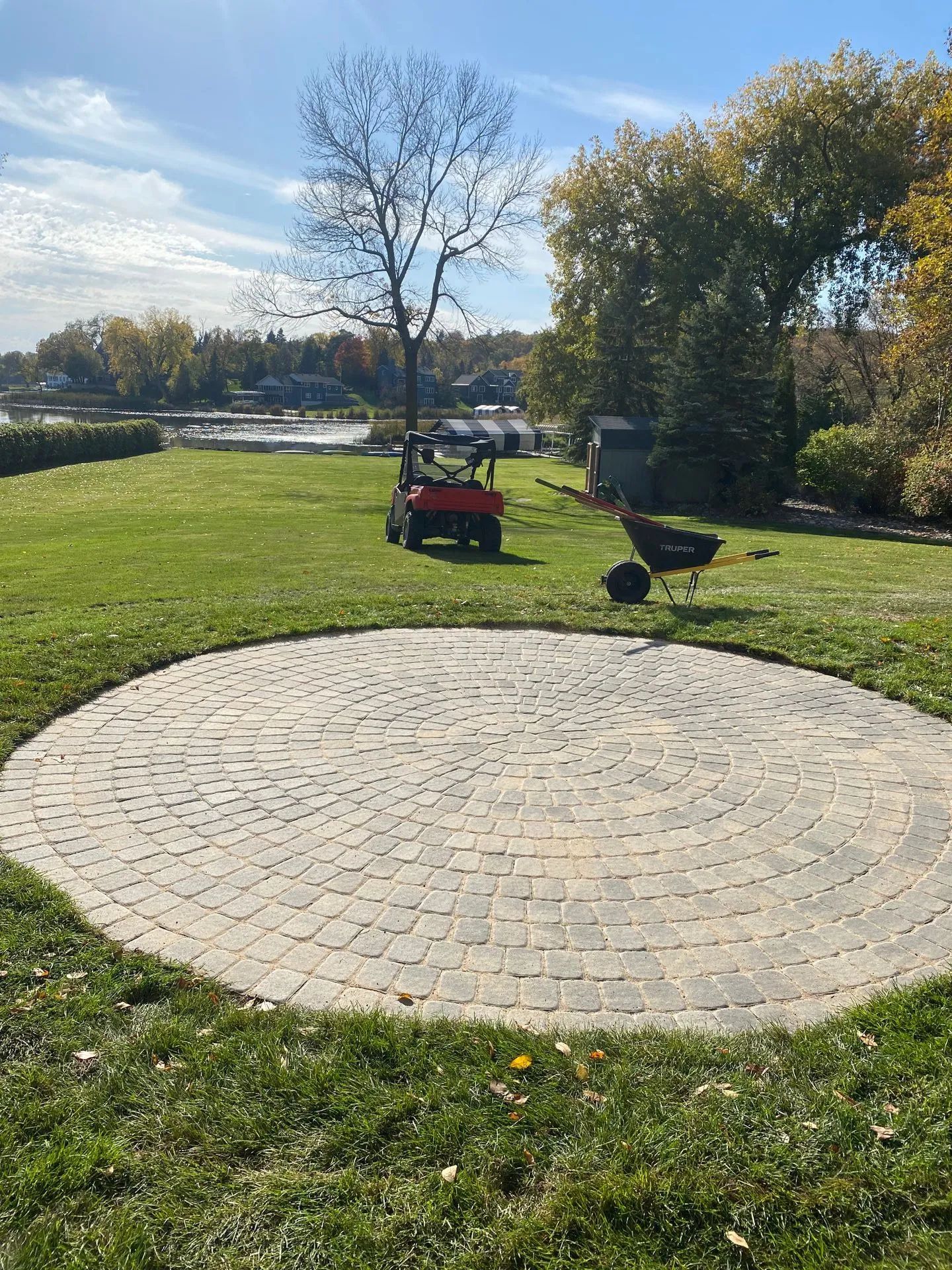
Hardscaping provides the stable framework that supports a landscape visually during dormant seasons. Patios, stone pathways, retaining walls, and edging maintain their appearance regardless of weather conditions. In shaded spaces where grass may struggle, hardscaped areas reduce maintenance and enhance usability.
Selecting Weather-Resistant Materials
Materials should be chosen with a focus on durability. Natural stone, pavers, and high-quality composite materials withstand seasonal expansion and contraction better than low-grade concrete or untreated wood. For areas prone to moisture buildup due to shade, slip-resistant finishes prevent safety hazards while maintaining aesthetic appeal.
Adding Vertical Interest
Vertical elements such as pergolas, arbors, and trellises create structure and allow climbing plants to soften shaded zones. In winter, these structures maintain visual interest even when plants are dormant. When combined with lighting, they highlight architectural character and define outdoor rooms.
Enhancing Usability in Every Season
Designing a year-round landscape means anticipating seasonal functions. Fire pits extend outdoor usability into colder months, while shaded seating areas offer comfort during high summer temperatures. Features like all-weather furniture, covered patios, and windbreaks help homeowners enjoy the yard regardless of seasonal fluctuations.
Managing Moisture, Soil Conditions, and Seasonal Maintenance
Addressing Shade-Related Moisture Issues
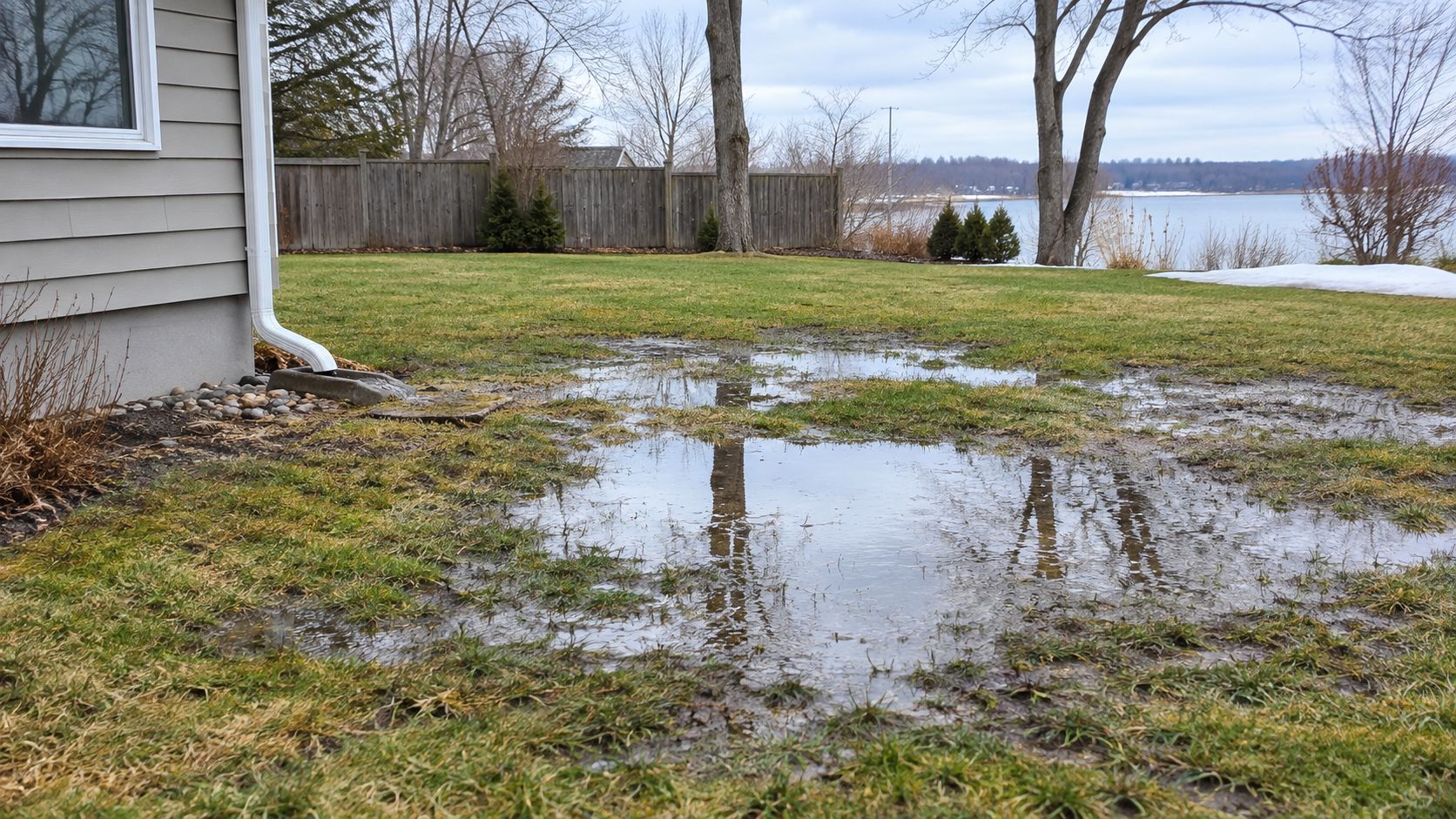
Shaded areas often retain moisture longer than sunny zones, increasing the risk of mold, root rot, and fungal diseases. Proper drainage is essential. Installing French drains, soil grading, or porous materials can reduce water accumulation. Selecting plants adapted to moist shade prevents long-term decline.
Improving Soil Structure
Healthy soil promotes resilient, year-round landscapes. Adding compost improves microbial activity, nutrient balance, and drainage. Soil testing identifies deficiencies and helps tailor fertilization practices across the seasons. Adjusting pH levels and replenishing mulch ensure consistent plant performance and reduce weed pressure.
Seasonal Maintenance Practices
Each season demands specific tasks to maintain landscape health. Spring requires clearing debris, dividing perennials, and refreshing mulch. Summer focuses on controlled watering and monitoring pests. Fall includes cutting back select plants and preparing beds for winter. Winter emphasizes protecting vulnerable species and ensuring structural elements remain secure under snow or ice.
Preventing Common Seasonal Challenges
Seasonal extremes can stress plants, particularly in shaded yards where airflow may be limited. Pruning overgrown trees increases light penetration and reduces the risk of breakage from heavy snow. Monitoring irrigation prevents oversaturation during cool months and drought stress during hot spells.
Creating Visual Balance and Harmonious Year-Round Design
Using Foliage, Texture, and Form
A successful landscape balances leafy plants, textured foliage, and structural elements. In shaded areas, foliage becomes even more important than flowers. Plants with varied leaf shapes, colors, and sizes create dynamic visuals even in low light. Mixing broadleaf evergreens, feathery ferns, and bold hostas generates contrast and depth.
Blending Seasonal Transitions Smoothly
A yard that looks attractive year-round transitions smoothly between seasons. This can be achieved by mixing evergreen plants with deciduous varieties that provide striking fall color. Features such as ornamental bark, winter berries, and persistent seed heads help maintain visual interest even when most plants are dormant.
Creating Focal Points
Focal points guide the eye across the yard and maintain interest through seasonal transitions. Examples include sculptural shrubs, garden art, a water feature, or a well-positioned tree with strong branching structure. These focal elements should be visible from multiple viewpoints, including indoor windows, to enhance the yard’s year-round function.
Emphasizing Cohesion Across Seasons
Cohesion comes from repeating colors, materials, and plant forms throughout the yard. Pathways that connect distinct spaces, consistent edging styles, and harmonizing plant palettes all contribute to a unified design. Seasonal containers can be refreshed throughout the year to complement permanent plantings and maintain vibrancy.
Maintaining Long-Lasting Beauty Across Changing Seasons
When homeowners seek expert guidance in creating a landscape that thrives through every season, they benefit from partnering with a company that brings both experience and specialized knowledge to the process. Metro Pro Inc, based in Orono, MN, has spent 28 years helping clients transform ordinary outdoor spaces into resilient, visually stunning landscapes designed for year-round appeal. The company’s approach emphasizes thoughtful planning, environmental awareness, and craftsmanship that withstands the test of time. By focusing on long-lasting materials, proven plant varieties, and detailed site analysis, their team ensures that each yard functions beautifully across sun, shade, rain, snow, and shifting seasonal conditions.
We understand that a successful landscape must do more than look good on installation day; it must continue performing season after season. Their design philosophy aligns perfectly with the strategies outlined in this blog—balancing structure, plant diversity, and environmental considerations to deliver cohesive, durable outdoor spaces. With decades of hands-on experience and a reputation for quality workmanship, we stand as a trusted authority for homeowners looking to elevate their landscapes and achieve year-round beauty that endures.